



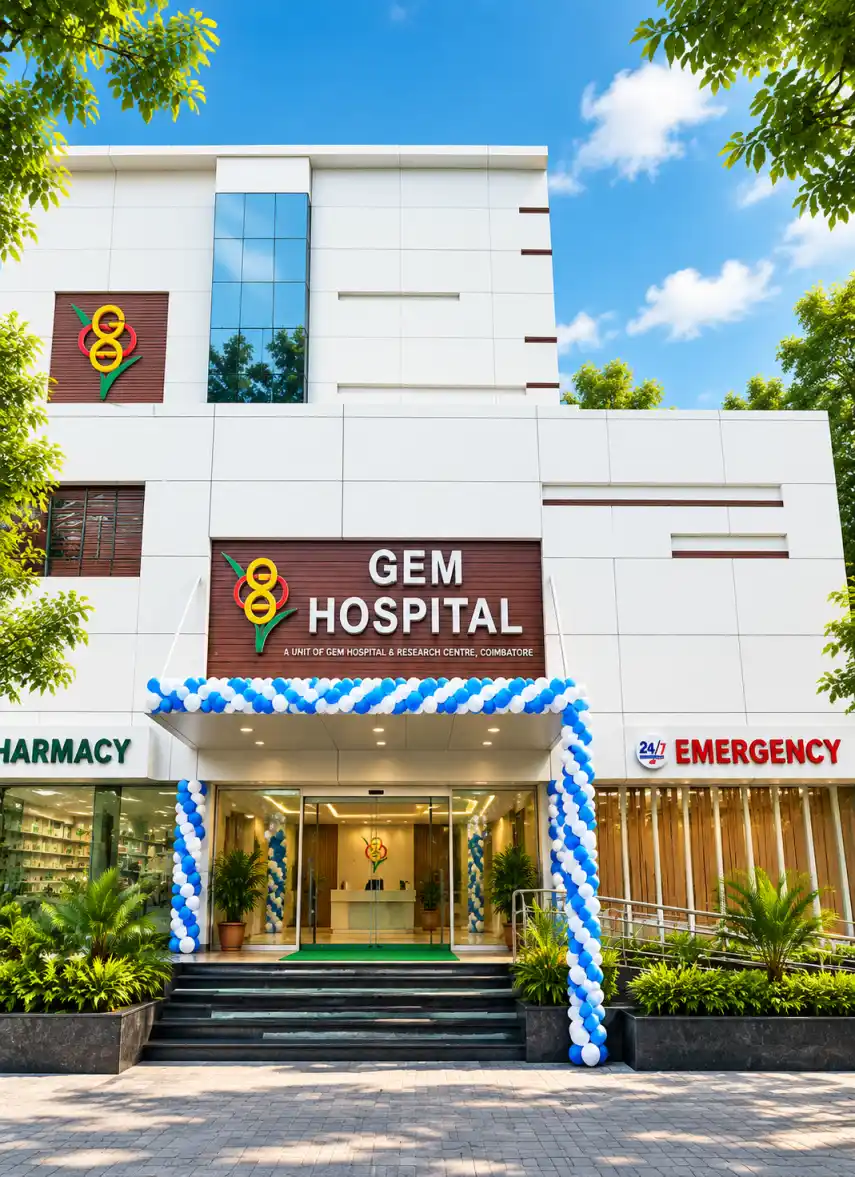

Digestive Cancer Care
Digestive Cancer Care at GEM Hospital
GEM Hospital provides leading digestive cancer care in Coimbatore and Chennai for cancers affecting the food pipe, stomach, liver, pancreas, gallbladder, colon and rectum. Our specialists work together to confirm the diagnosis, understand the cancer stage and recommend the best-suited treatment for each patient.
Highlights of Digestive Cancer Care

Understanding Digestive Cancers
Digestive cancers can develop in different parts of the digestive system, including:
Food pipe
Stomach
Liver
Gallbladder and bile ducts
Pancreas
Small intestine
Colon and rectum
Anal canal
Each type of cancer requires a different approach. Treatment decisions are based on where the cancer began, whether it has spread and the patient’s general health.
Symptoms that Should be Checked
Possible warning signs include:
Unexplained weight loss
Ongoing abdominal pain
Difficulty swallowing
Repeated vomiting
Blood in vomit or stool
Black stools
A continuing change in bowel habits
Yellowing of the eyes or skin
Loss of appetite
Unusual tiredness
These symptoms do not always mean cancer. However, symptoms that continue, become worse or occur with bleeding or weight loss should be evaluated by a specialist.

Advanced Diagnosis and Treatment
Accurate diagnosis is the starting point for cancer care. Depending on the symptoms and organ affected, evaluation may include:
Blood and laboratory tests
Upper GI endoscopy
Colonoscopy
Ultrasound, CT, MRI or PET scan
Endoscopic ultrasound
Biopsy
Molecular or biomarker tests in selected cases
Once the diagnosis and stage are confirmed, the multidisciplinary team prepares an individual treatment plan.
Surgery
Surgery may be recommended to remove the tumour and nearby affected tissue. Depending on the location and stage, selected patients may be suitable for laparoscopic or robotic-assisted surgery.
Chemotherapy
Chemotherapy uses medicines to destroy or control cancer cells. It may be given before surgery, after surgery or as the main treatment.
Radiation therapy
Radiation therapy may be used alone or with other treatments for selected digestive cancers.
Targeted therapy and immunotherapy
Certain cancers have specific features that may respond to targeted medicines or immunotherapy. Testing helps the team decide whether these options are suitable.
Endoscopic treatment
Some early cancers or pre-cancerous growths may be removed through an endoscope without external surgical cuts.
Not every patient requires every treatment. The team explains the available options, expected benefits and possible side effects before care begins.
Personalised Care for Every Patient
Cancer treatment can affect eating, digestion, movement and emotional well-being. GEM Hospital supports patients throughout their care journey with:
Individual treatment planning
Nutrition counselling
Pain and symptom management
Guidance before and after surgery
Emotional support
Regular reviews during treatment
Follow-up after treatment is completed
Patients and family members are encouraged to ask questions and take part in treatment decisions.
Learning and Patient Education
Digestive cancer care continues to develop as diagnostic methods and treatments improve. GEM Hospital’s specialists follow advances in the field and update care approaches based on clinical evidence and patient needs.
The team also helps patients understand their diagnosis, treatment choices, recovery needs and follow-up plan in clear language.
Awareness and Early Detection
Greater awareness can help people recognise warning signs and seek medical advice earlier. Screening may also help detect certain cancers before symptoms appear.
People with a strong family history, inherited cancer risk or previous digestive growths should ask a doctor whether screening is recommended. The right screening test and timing depend on age and individual risk.
Support During Recovery
Recovery continues after the main treatment is completed. Follow-up may include medical reviews, blood tests, scans, nutrition guidance and rehabilitation.
The care team monitors recovery, manages treatment-related concerns and checks for signs that need further evaluation. The follow-up schedule is personalized according to the cancer type and treatment received.
Why Choose GEM Hospital for Digestive Cancer Care?
Specialists experienced in digestive-system cancers
Multidisciplinary review and treatment planning
Advanced endoscopy, imaging and biopsy facilities
Open, laparoscopic and robotic-assisted surgery
Coordination of surgery, chemotherapy and radiation therapy
Nutrition, rehabilitation and follow-up support
Patient and family guidance throughout treatment
At GEM Hospital in Coimbatore, patients receive coordinated support from diagnosis through recovery. GEM Hospital in Chennai provides the same patient-focused approach with specialists working together at every stage.
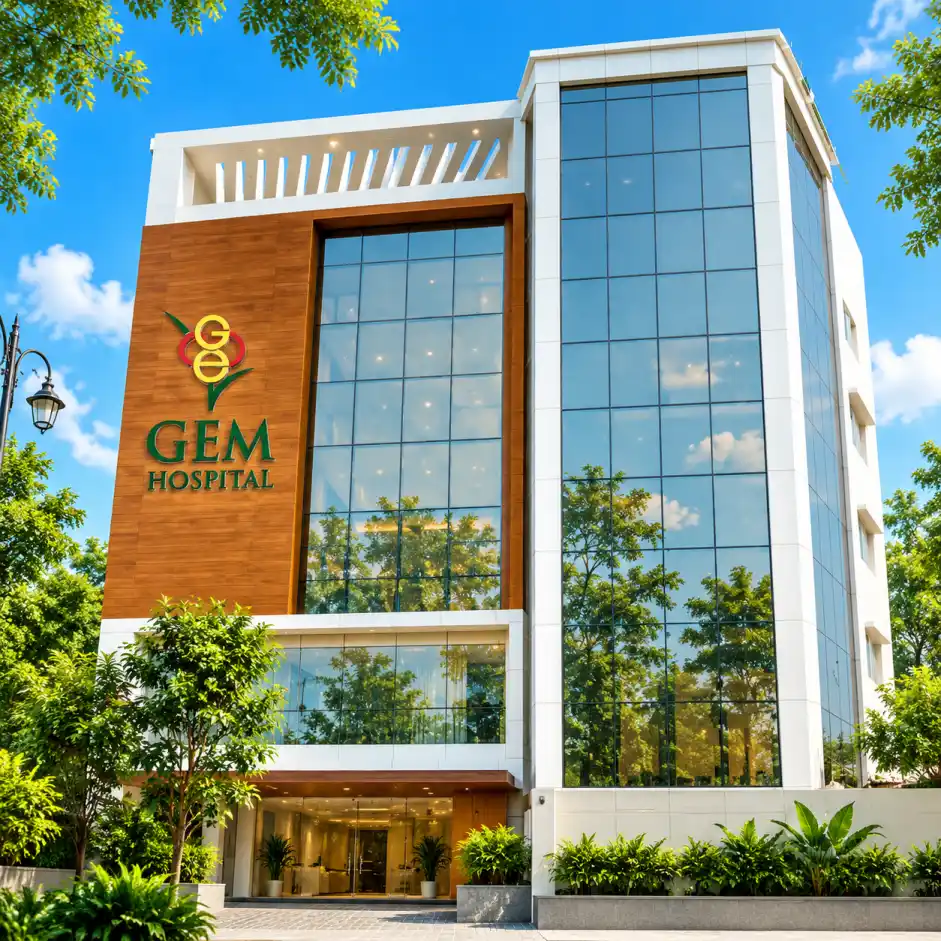
Coimbatore Center
At GEM Hospital in Coimbatore, patients receive coordinated digestive cancer care from multidisciplinary teams.
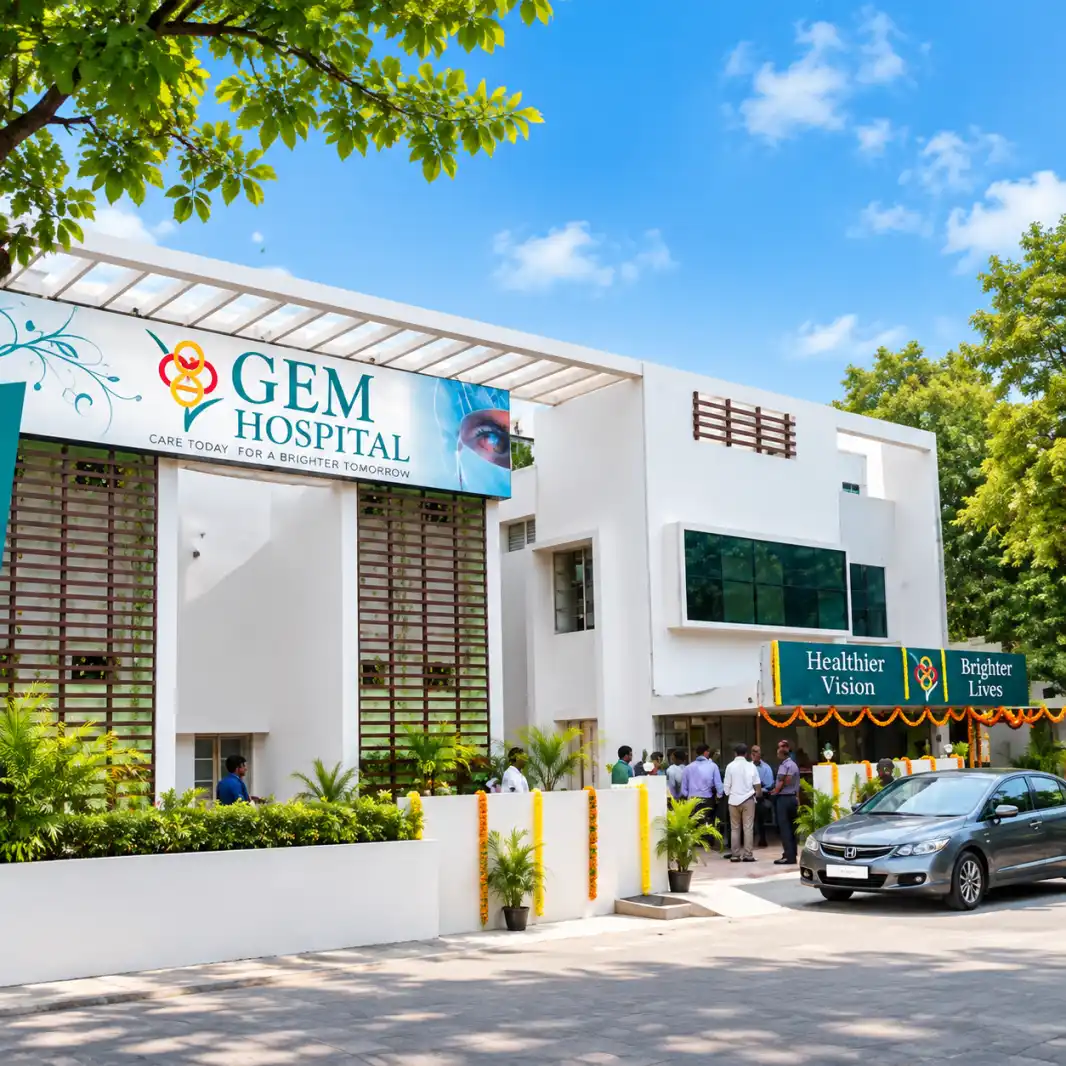
Chennai Center
GEM Hospital in Chennai provides the same comprehensive cancer care with specialized oncologists and surgeons.
Book a Specialist Consultation
If you have a confirmed diagnosis, an abnormal scan or digestive symptoms that are not improving, a specialist consultation can help you understand the next step.
For digestive cancer care in Coimbatore, schedule an appointment at GEM Hospital in Coimbatore. Patients seeking digestive cancer care in Chennai can consult the cancer care team at GEM Hospital in Chennai.
Frequently Asked Questions
Digestive cancer refers to cancer affecting an organ in the digestive system, such as the food pipe, stomach, liver, pancreas, gallbladder, colon or rectum.
Diagnosis may involve endoscopy, imaging and a biopsy. A biopsy examines a tissue sample and confirms whether cancer cells are present.
No. Treatment depends on the cancer type and stage. It may include surgery, chemotherapy, radiation therapy, targeted therapy, immunotherapy or an endoscopic procedure.
Selected patients may be suitable for laparoscopic or robotic-assisted surgery. The surgeon will decide based on the cancer’s location, stage and the patient’s overall health.
Follow-up may include consultations, scans, blood tests, nutrition support and monitoring for treatment effects or signs that require further care.